


More efficient processes, better results
Marketing-Automation
Marketing automation is essential for efficient, targeted and measurable communication throughout the entire customer journey. It enables companies to automate marketing processes, systematically nurture prospects and leads, and strengthen customer relationships in the long term – all with less manual effort.
Marketing automation allows you to automate recurring tasks such as sending emails, triggering follow-up campaigns or segmenting target groups. This ensures you always reach your customers at the right time – with exactly the message that interests them.
Greater relevance through personalisation
By combining customer data, interests and behaviour, content can be tailored to each individual. This not only boosts open and click-through rates, but also significantly improves the customer experience. Users receive exactly the information that is relevant to them – without any wastage.
Scalable processes for marketing and sales
Marketing automation not only takes the pressure off the marketing team but also strengthens the sales function: leads are pre-qualified in a targeted manner and handed over to the sales team at the right time. This shortens sales cycles and enables your teams to collaborate more efficiently – all managed from the central CRM system.
Measurable and data-driven
Successful marketing automation is based on data and insights. You can track at any time which campaigns are working, where prospects drop out and how customer behaviour is evolving. This allows you to continuously optimise your communication – in real time and based on valid figures.
Marketing automation with gid GmbHAs experienced experts in CRM and marketing processes, we support you in selecting, implementing and optimising your marketing automation – for example, with CAS genesisWorld or the purely cloud-based CRM SmartWe. We analyse your requirements, develop smart workflows and ensure seamless integration into your existing system landscape.
Discover just how simple and effective marketing automation can be – and how it can genuinely improve your customer acquisition and retention.
Typical challenges in marketing
Why traditional Marketing often doesn’t work:
Root of the Problem
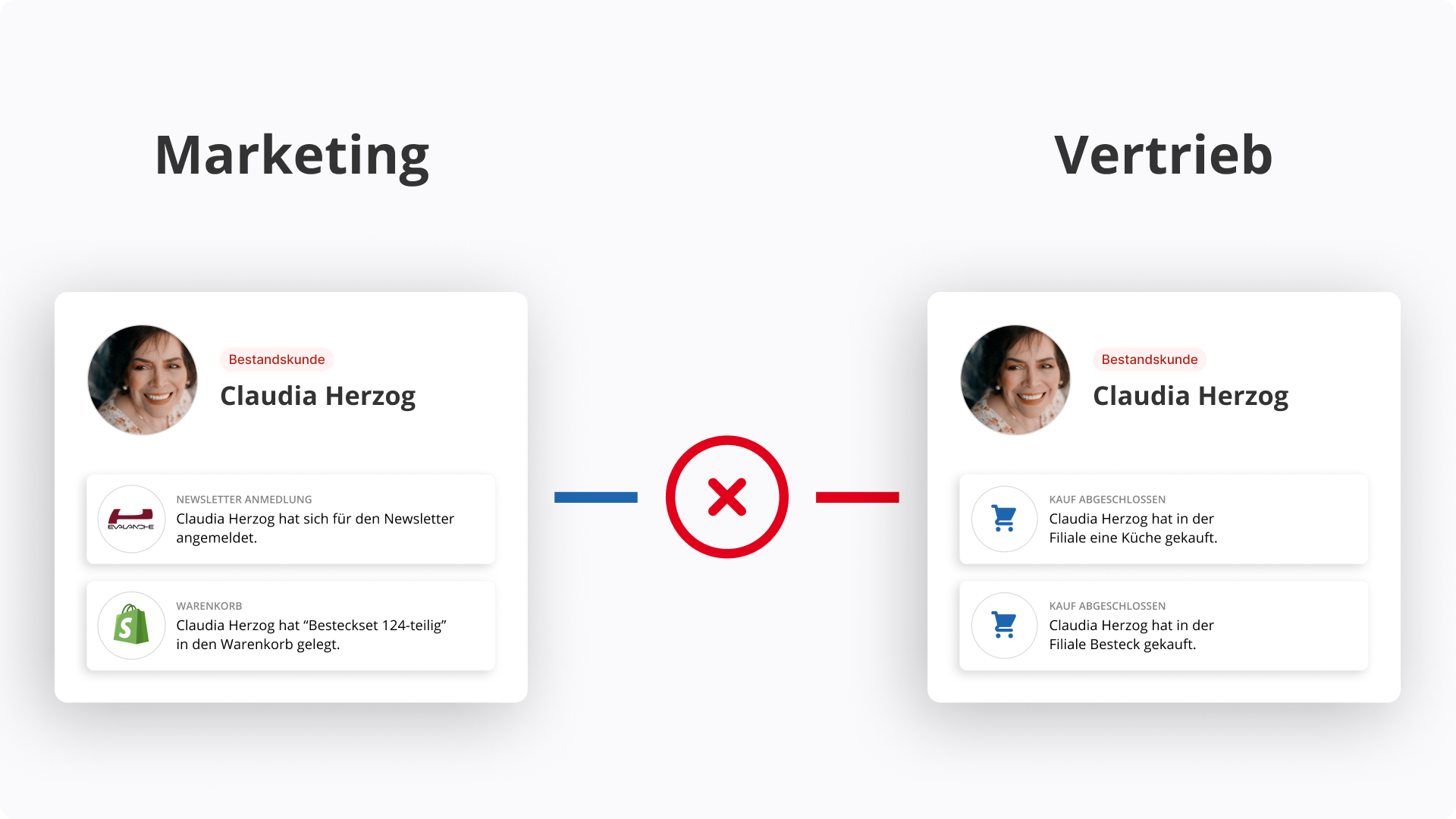
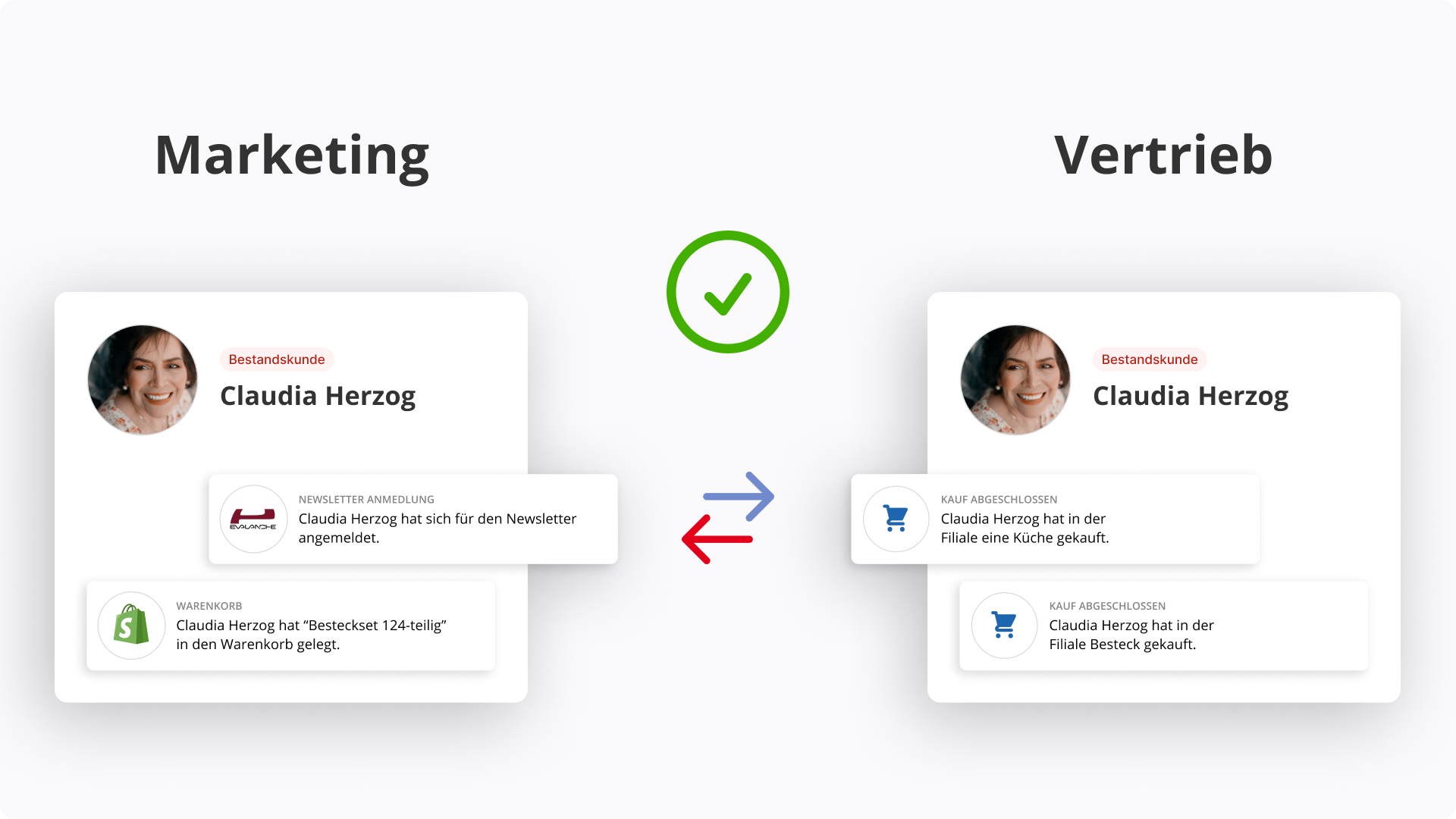
Collecting
data
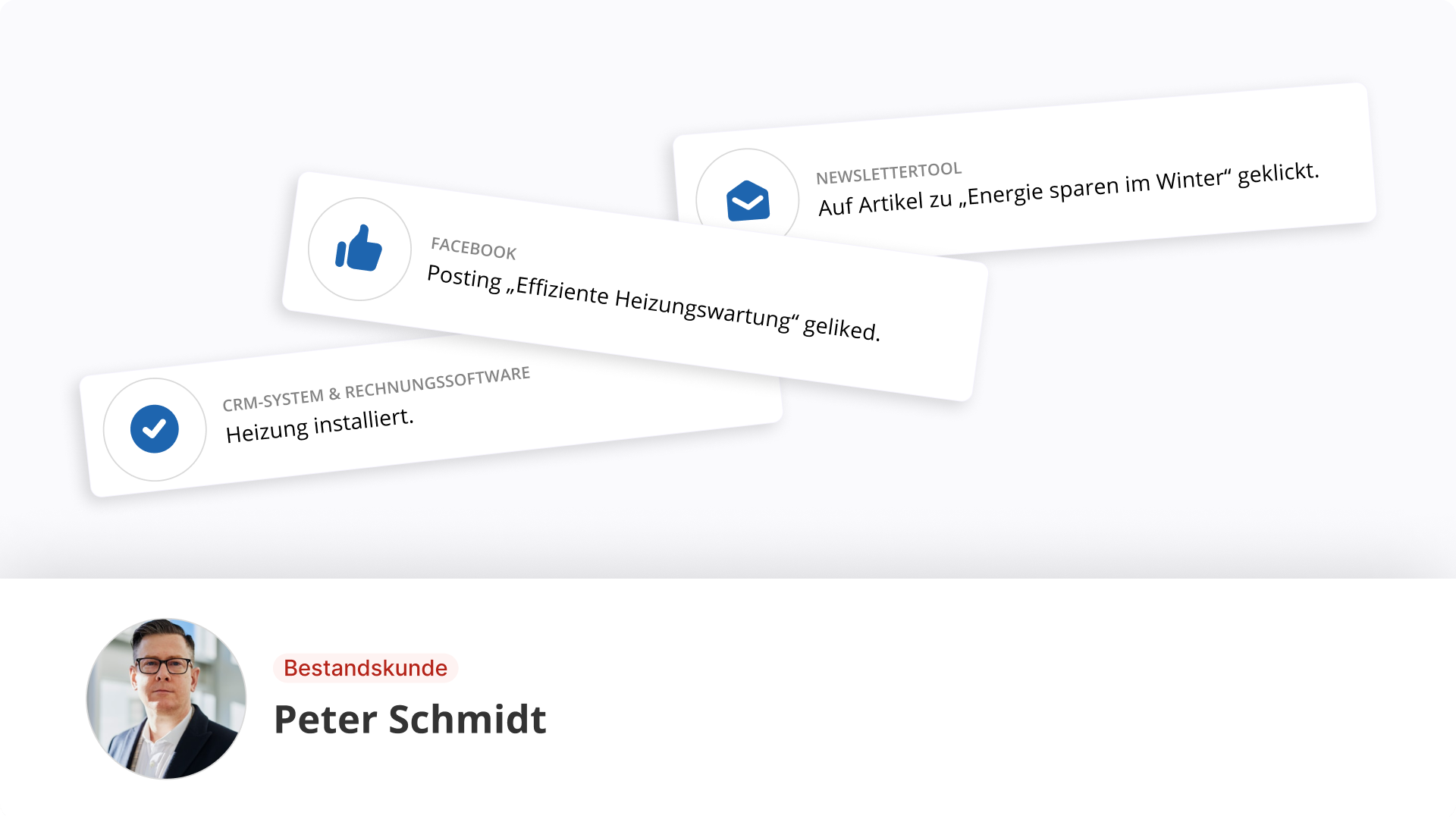
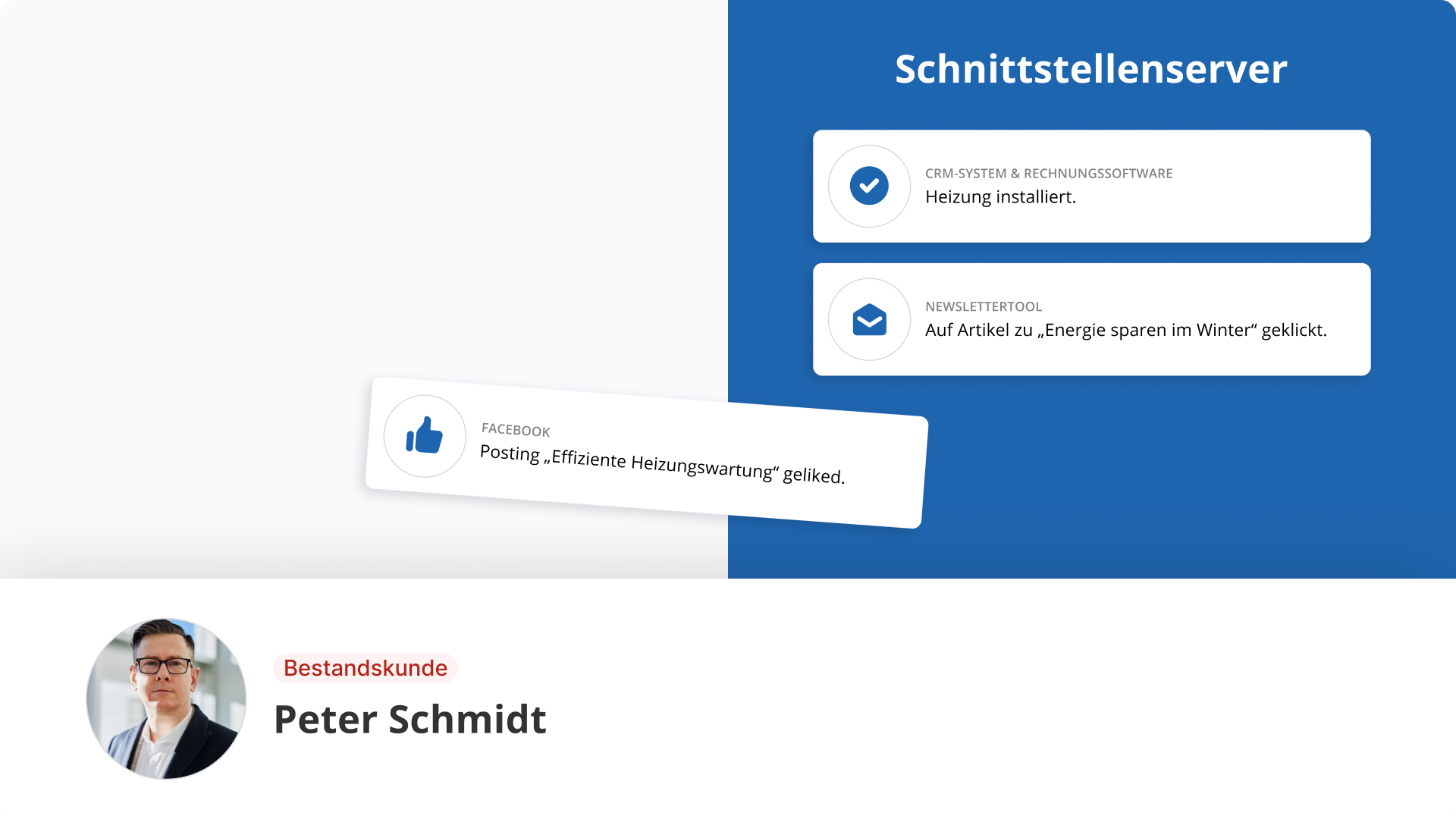
Analysing Data
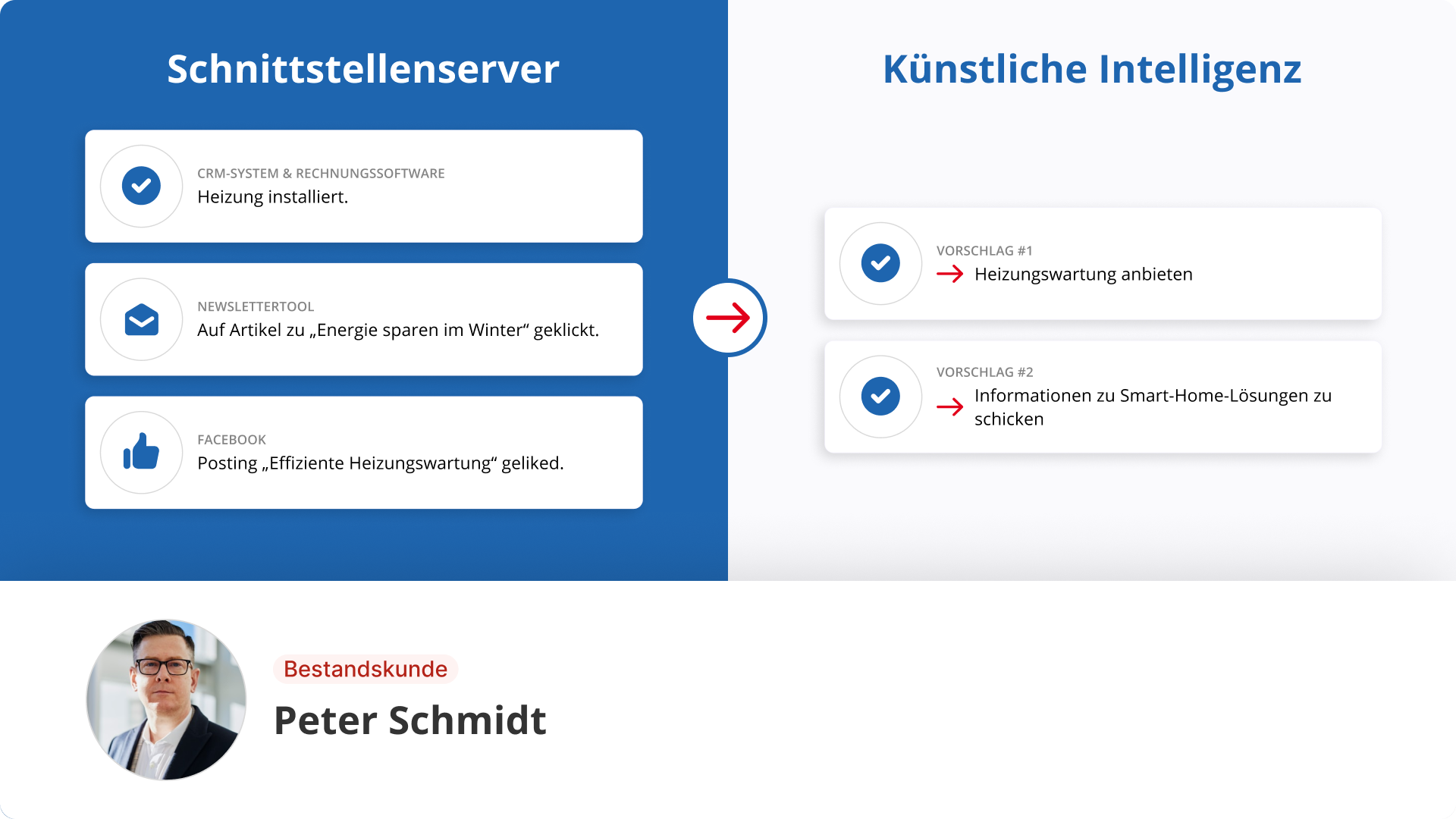
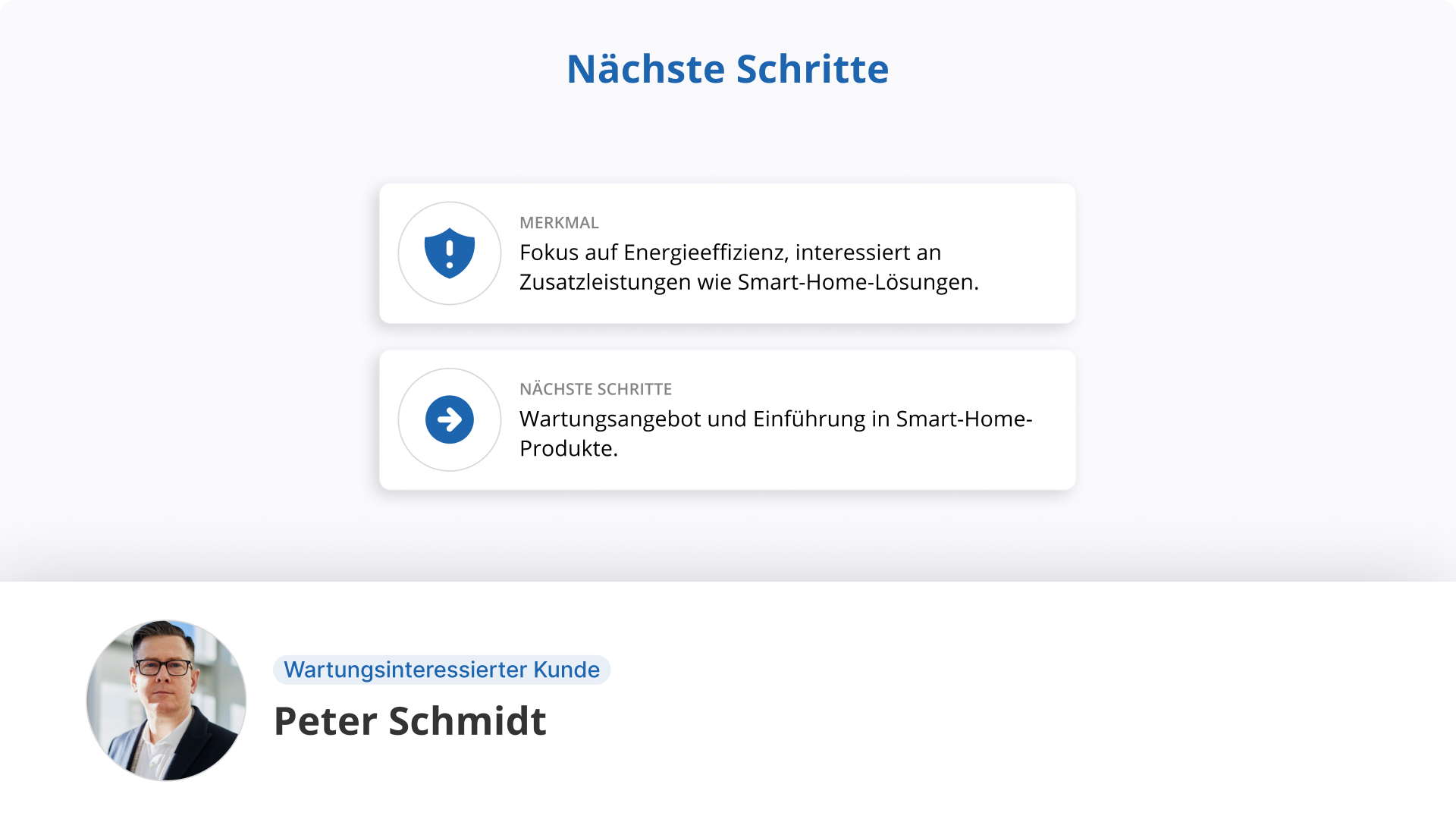
Targeted marketing campaigns
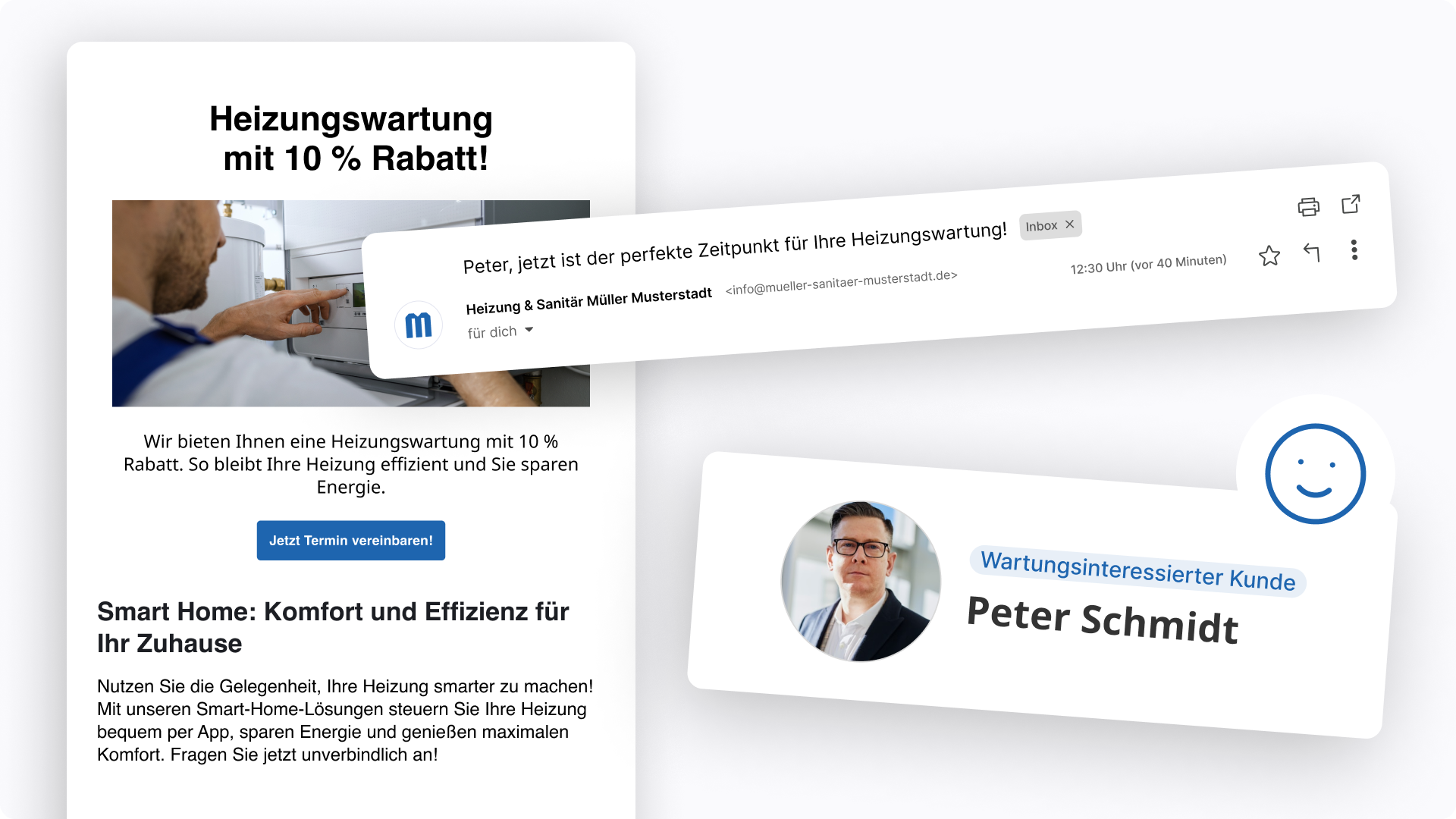
Case Studies
Examples by sector
Problem
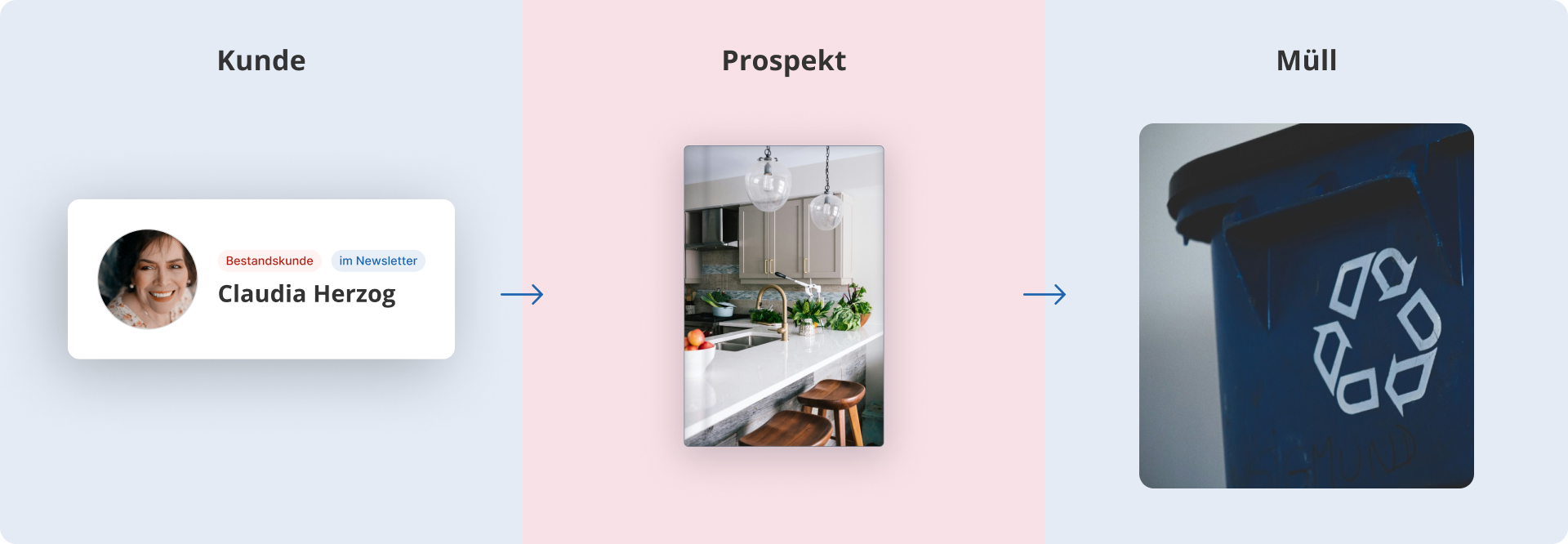
‘Claudia Herzog’ receives furniture leaflets in her letterbox every week. Typically, Ms Herzog buys new furniture, such as a kitchen, every 7–10 years.
Ms Herzog only reads the leaflets when she is actively considering a purchase. The rest of the time, when she has no need, she does not read the leaflet or take any notice of the furniture store.
Solution
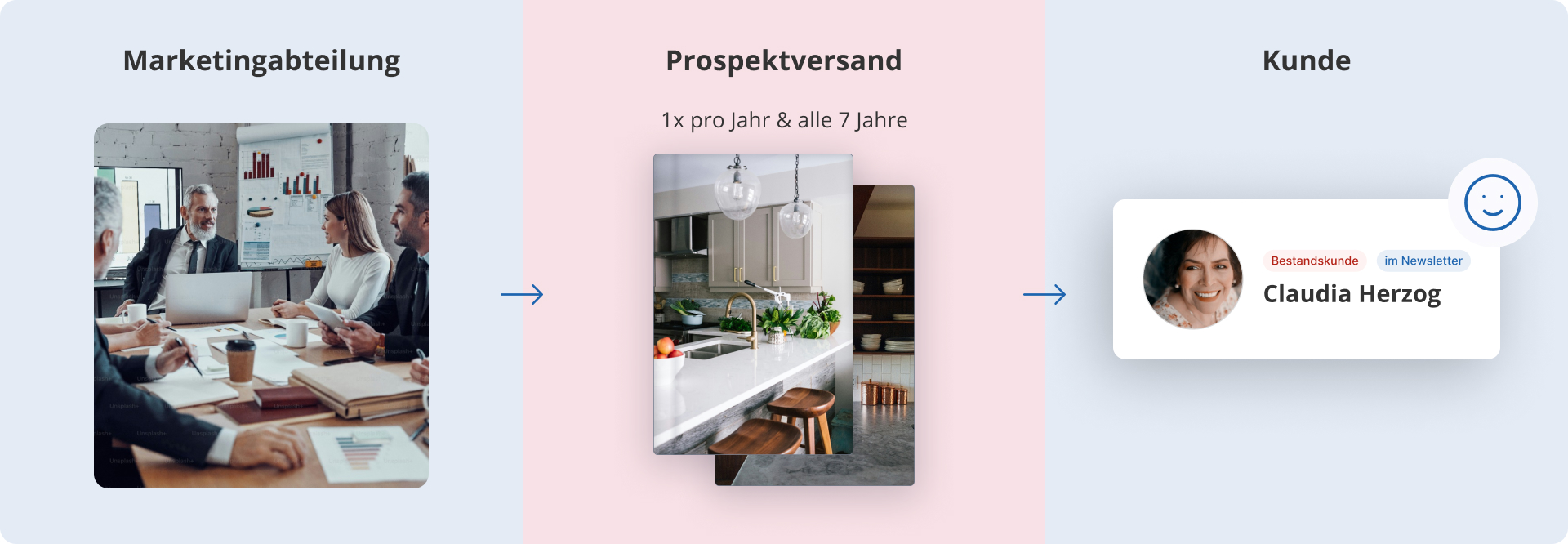
Ms Herzog’s purchasing behaviour is known from delivery records, invoices or loyalty cards.
If Mrs Herzog has only recently bought a kitchen, she will not receive information about kitchens, but, for example, about kitchen-related products such as crockery.
The targeted delivery of this information can be financed, for example, by an advertising subsidy.
Problem
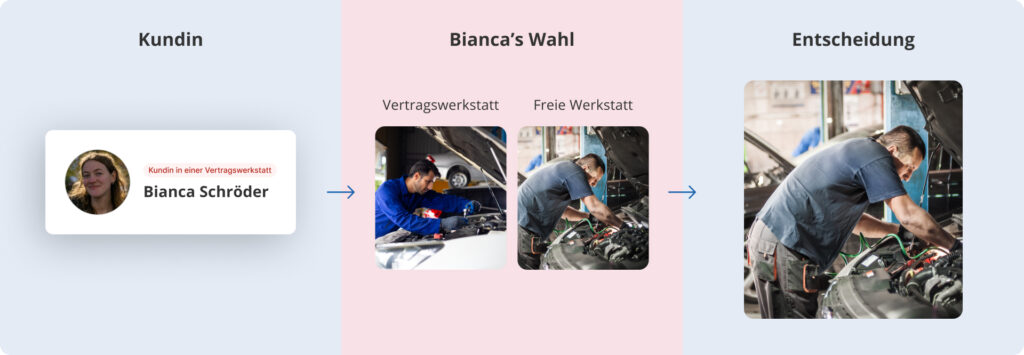
Bianca Schröder has bought a new car and has to organise her own upcoming service appointments.
She decides for herself when and where to have the service carried out – whether at the authorised dealership or
an independent garage, such as for a tyre change.
Solution
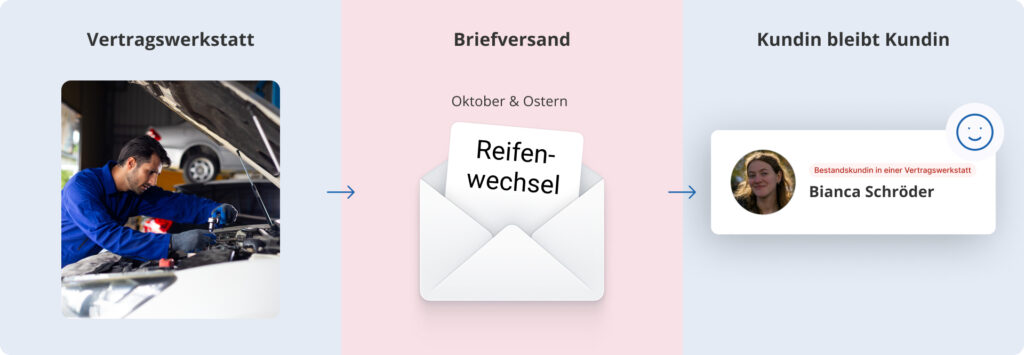
The car dealership uses the date of purchase and its internal data to maintain regular contact with Bianca.
Service and MOT appointments can be calculated in advance and sent as reminders.
Known service intervals, such as the usual tyre change at Easter, are planned proactively.
The car dealership informs Bianca in good time, based on available workshop slots,
and offers her a suitable appointment. In this way, the car dealership stays in touch and strengthens customer loyalty.
Problem
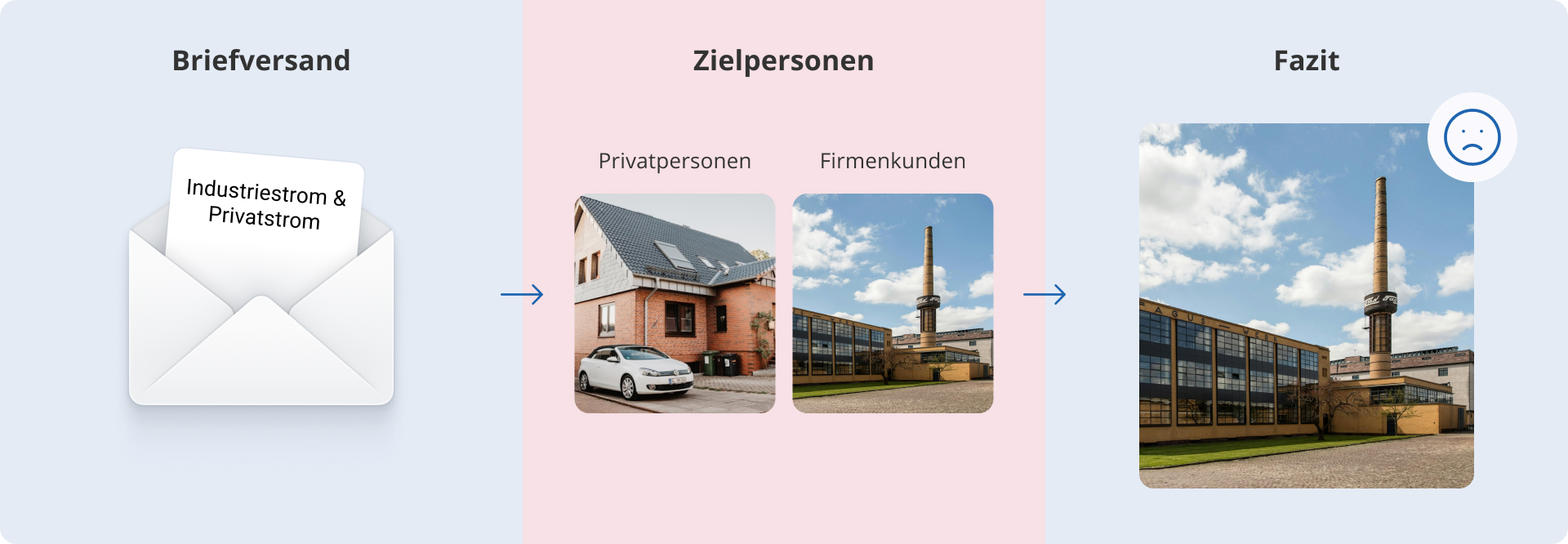
The company ‘Strom & Co. AG’ wishes to attract new customers and re-engage former ones.
It offers various unique selling points, such as sustainable electricity or affordable contracts for industrial electricity.
However, not all offers are relevant to every contact – private customers do not need industrial electricity, and sustainability may only be of interest to private individuals.
Solution
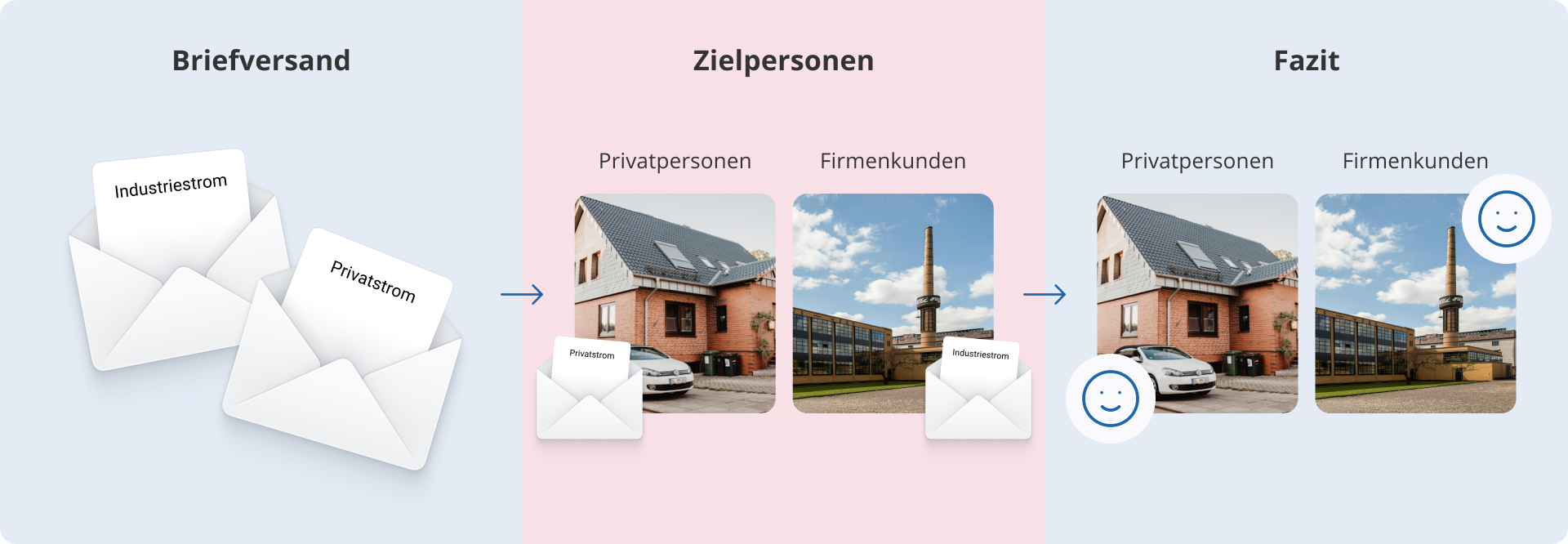
Based on profile characteristics (e.g. private or business customer, existing or new customer, address, sector), the unique selling points can be tailored specifically and presented to the respective contacts.
Example: A company interested in sustainability receives information about industrial electricity combined with details on sustainable electricity generation in its sector or region.
For private individuals, the offer can be linked to the reason for cancellation by explaining that the higher price is due to a commitment to sustainability in the region.
This makes the offer personalised and relevant to each contact.
Why is this important??
Frequently Asked Questions